



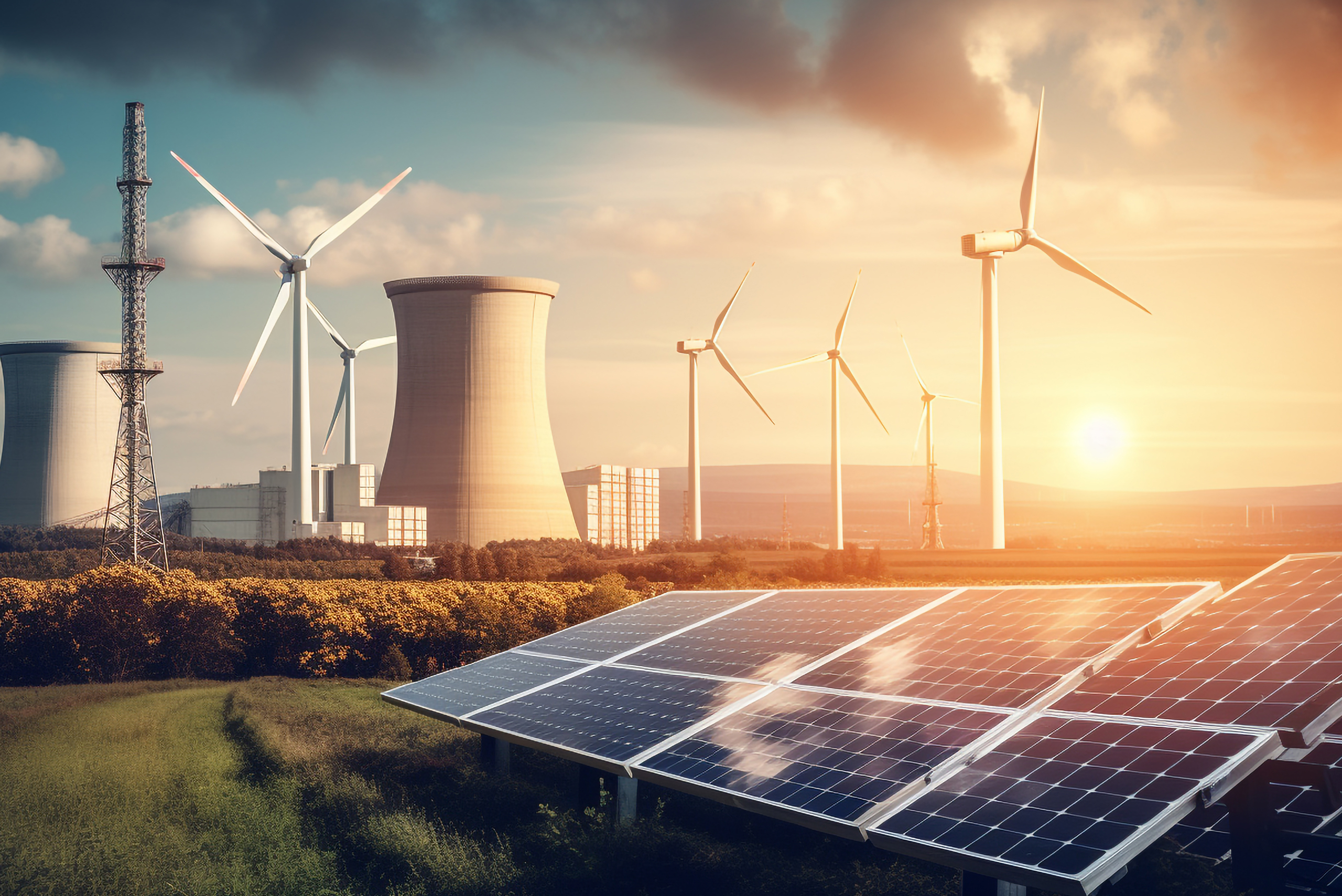
Energy Insurance
These specialised insurance solutions help organisations operating in the energy sector
manage their strategic and operational risks. Now, let’s take a closer look at the details of
fixed asset and energy insurance in the energy sector:
Fixed Asset Insurance
- Property and Construction Risks: This type of insurance covers potential risks arising
during the construction of energy facilities or the expansion or refurbishment of
existing facilities. It includes material damage and business interruptions resulting
from events such as fire, flooding, natural disasters or technical failures. - Business Interruption & Potential Business Interruption Insurance: Aims to minimise a
business’s loss of income in the event of a temporary cessation of operations at a
facility. It comes into effect particularly when business operations are affected by
causes such as natural disasters, fire or technical failures
Other Insurance Solutions in the Energy Sector
- Third-Party Liability Insurance: Covers potential risks that could cause harm to
third parties or other facilities during the operations of energy facilities. It
includes the management of environmental impacts and any resulting claims for
compensation. - Business Interruption Insurance: Covers income losses that may arise as a result of
the temporary suspension of a facility’s operations. Particularly when considered in
conjunction with business interruption insurance, it minimises the financial losses
that may occur during the process of returning the facility to normal operations. - Terrorism Insurance: An insurance solution designed to protect energy facilities and
investments against the growing global threat of terrorism. It provides financial
security against the direct or indirect effects of terrorist acts. - Marine & Cargo Insurance: This is a type of insurance that covers losses or damage
that may occur during the transport of equipment, materials and products involved
in the national or international supply chains of energy facilities Aims to minimise risks in logistics processes.
These insurance solutions not only help organisations operating in the energy sector
manage their current risks but also ensure they are prepared for potential risks they may
face in the future. By working with specialised teams and local/international partners,
customised insurance solutions are provided, taking into account the specific needs of
each energy company.
In this way, the security and sustainability of investments in the energy sector are ensured,
with the aim of safeguarding the security and stability of all stakeholders in the sector.
What is property insurance and how is it used in the energy sector?
Fixed asset insurance is a type of insurance designed to cover material damage that may
occur at facilities operating in the energy sector due to natural disasters, fires or technical
failures. This insurance plays a significant role in managing risks that may arise during the
construction or operation of a facility.
In what circumstances does construction risk insurance come into play?
Construction risk insurance covers risks that may arise during the expansion, renovation,
or construction of new energy facilities. In particular, incidents such as fires, floods, or
other natural disasters that may occur during the construction phase are covered under
the policy.
How does business interruption insurance protect the operations of energy facilities?
Business interruption insurance aims to minimise a business’s loss of income should an
energy facility temporarily suspend its operations due to causes such as natural disasters,
fire or technical faults. This insurance is essential for covering financial losses that may
arise whilst the business is returning to normal operations.
What risks does third-party liability insurance cover in the energy sector?
Third-party liability insurance covers potential risks that could cause harm to third parties
or other facilities during the operations of energy facilities. This insurance provides an
important safeguard for managing environmental impacts and handling compensation
claims.
How does business interruption insurance work, and what benefits does it offer to energy companies?
Business interruption insurance covers revenue losses that may arise from the temporary
suspension of an energy facility’s operations. Particularly when considered alongside
business interruption cover, it aims to minimise financial losses that may occur during the
facility’s return to normal operations. In this way, energy companies are financially
protected against unforeseen circumstances.
How does terrorism insurance enhance the security of energy facilities?
Terrorism insurance ensures that energy facilities and investments are protected against
terrorist acts. This insurance aims to provide financial security against the direct or indirect
effects of terrorism and safeguards energy companies against the growing global threat of
terrorism.
What types of risks does marine and cargo insurance minimise in the energy sector?
Marine and cargo insurance aims to minimise the risks that may arise during the transport
of equipment, materials and products within the national and international supply chains
of companies operating in the energy sector. This insurance facilitates the management of
risks in logistics processes and enhances the security of supply chains.
What are the differences between property insurance and business interruption insurance?
Property insurance covers material damage to energy facilities caused by events such as
natural disasters or fire. Business interruption insurance, on the other hand, aims to
minimise the company’s loss of income in the event of a temporary halt to the facility’s
operational activities.
Why do companies operating in the energy sector need insurance solutions?
Companies operating in the energy sector require insurance solutions to ensure business
continuity, minimise financial risks and be prepared for unforeseen circumstances through
fixed asset and energy insurance. These solutions help companies maintain operational
stability.
How do insurance companies assess the environmental impacts of energy facilities’ operations, and how do they offer suitable insurance policies to manage these environmental liabilities?
When assessing the environmental impacts of energy facilities, insurance companies take
various factors into account and design suitable insurance policies to manage their
environmental liabilities accordingly. These policies aim to minimise potential financial
risks arising from the facility’s environmental impacts.
How are material damages at an energy facility, such as those caused by fire, covered?
Material damage caused by incidents such as fires at an energy facility is generally covered
under property insurance. This insurance protects against risks such as fire that may arise
during the construction or operation of the facility, as well as the resulting financial losses.
How can the financial impacts of business interruption be mitigated for a company operating in the energy sector?
Business interruption insurance plays a critical role in mitigating the financial impacts of
business interruption for a company operating in the energy sector. This insurance
minimises the company’s revenue losses in the event of a temporary halt to the facility’s
operational activities and provides financial support to ensure operational continuity.
What is the importance of terrorism insurance for energy companies operating in the international market?
For energy companies operating in the international market, terrorism insurance provides
protection against the growing global threat of terrorism. This insurance provides financial
security against the direct or indirect effects of terrorism and helps to reduce companies’
operational risks.
How is marine and cargo insurance used in managing logistics risks within the energy sector?
Marine and cargo insurance aims to minimise the risks associated with the transport of
materials and equipment in the national and international logistics processes of companies
operating in the energy sector. This insurance covers damages that may occur during
transport and helps ensure the security of supply chains.
Why are insurance solutions of critical importance for business continuity in the energy sector?
Insurance solutions are of critical importance for ensuring business continuity in the
energy sector because they enable facilities to continue their operations without
interruption. By providing financial protection against unforeseen circumstances, they
safeguard companies’ operational stability.
What measures can a company operating in the energy sector take against risks relating to property?
A company operating in the energy sector can purchase insurance solutions such as
property insurance to minimise risks associated with property. It can also reduce risks by
strengthening facility security and fire prevention systems.
How do insurance companies assess the compliance of energy facilities with international standards?
When assessing the compliance of energy facilities with international standards, insurance
companies take into account factors such as the facilities’ safety measures, policies for
managing environmental impacts, and operational continuity plans. As a result of this
assessment, the facility’s risk profile is determined, and appropriate insurance solutions
are recommended accordingly.
How do innovative technologies in the energy sector influence insurance solutions?
Innovative technologies in the energy sector influence insurance solutions by enabling
more accurate risk assessments and providing more comprehensive protection. For
example, smart energy systems and digital monitoring technologies can be used to
enhance facility security and minimise operational risks.
How can technical faults encountered by a company operating in the energy sector be covered by insurance?
A company operating in the energy sector can cover technical faults it encounters through
business interruption insurance or property insurance. These policies provide financial
support in the event of a temporary halt to the facility’s operational activities and
safeguard the facility’s operational continuity.
How can insurance policies be utilised in the strategic planning of energy facilities?
By incorporating insurance policies into the strategic planning of energy facilities,
companies can be better prepared to deal with unforeseen circumstances. By identifying
the facility’s risk profile and offering suitable insurance solutions, these policies maintain operational continuity and protect themselves financially.